


Call Us Today
1-800-535-3878

The Complete Buyer’s Guide

To Choosing the Best Air Duct Cleaning Equipment

Making the Right Equipment Choice for Your Business

Investing in air duct cleaning equipment is one of the most significant decisions you’ll make for your business. The right equipment pays for itself quickly through efficient operations, satisfied customers, and a strong reputation that generates referrals—but the wrong choice can lead to costly mistakes, operational headaches, and lost revenue that set your business back for years.

Many business owners focus solely on price or flashy specifications when evaluating air duct cleaning machines. However, the smartest buyers understand that choosing equipment involves much more than comparing motor counts or suction ratings. Where your equipment comes from, who supports it after purchase, and whether you can get parts when you need them often matter more than the initial specifications.

This comprehensive buyer’s guide walks you through the critical factors to evaluate before purchasing air duct cleaning equipment—from vetting manufacturers and understanding true specifications to assessing post-purchase support. We’ll also provide detailed profiles of professional brush and vacuum machines so you can match the right equipment to your specific business needs.
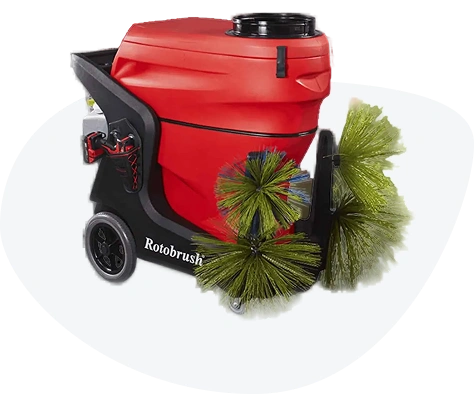
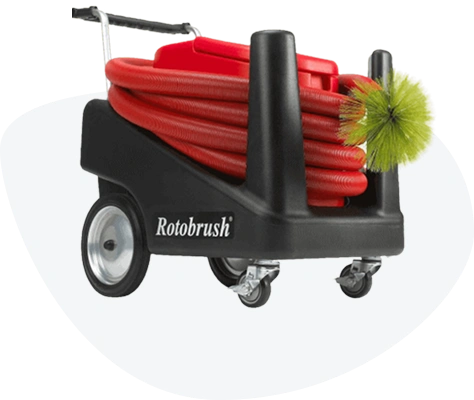
BlowBeast
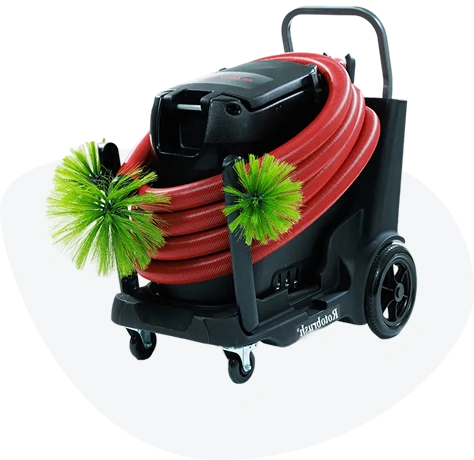
BrushBeast DR Black Edition
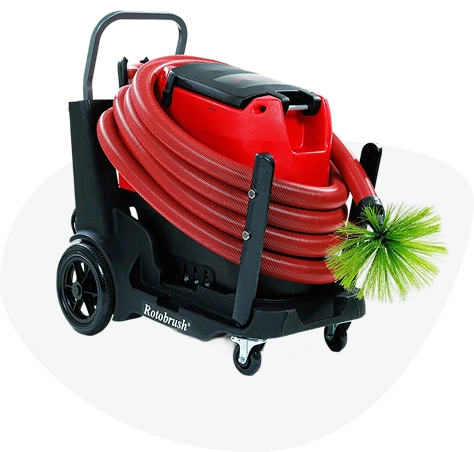
BrushBeast DR Red Edition
Air+ Duct Cleaning

The Essential Pre-Purchase Checklist

What to Evaluate Before You Buy

Before comparing specific machines or features, evaluate these critical factors that separate reliable, supportable equipment from purchases you’ll regret.

Equipment Origin: Where Is It Manufactured?

Why It Matters: The country of origin affects quality standards, parts availability, warranty enforcement, and your ability to get support when problems arise.


What Questions to Ask:

Where is the equipment manufactured?

USA-manufactured equipment typically adheres to stricter quality standards and safety regulations, while imported equipment may offer lower prices but can present support and parts challenges.

Does the company manufacture equipment of simply rebrand imports?

Original manufacturers have engineering expertise and control over quality. Rebranders may offer limited support and have no control over manufacturing quality.

How long has the manufacturer been in business?

Established manufacturers (20+ years) have proven track records. Newer companies or fly-by-night operations may not be around when you need support.

Red Flags

Specifications & Measurements: Are They in US Standard Measurements?

Why It Matters: Equipment specifications should be presented in measurements you understand and can verify. Inconsistent or foreign measurement systems can hide performance shortcomings or create confusion about actual capabilities.

What Questions to Ask:

Are specifications provided in US standard measurements?

Look for CFM (Cubic Feet per Minute) for airflow, pounds for weight, inches for dimensions and hose diameters, and horsepower or watts for motor power.

Are specifications clear, detailed, and verifiable?

Professional manufacturers provide specific, measurable performance data rather than vague marketing claims.

What to Look Out For:

Red Flags

Post-Purchase Support: What Happens After You Buy?

Why It Matters: Your relationship with the manufacturer begins after purchase, not ends. Equipment will eventually need troubleshooting, maintenance guidance, or repairs. The quality of post-purchase support directly affects your business continuity and profitability.

What Questions to Ask:

What technical support is available after purchase?

Look for phone support during business hours, email support with response time commitments, and video chat or remote diagnostics.

Where is the support team located?

USA-based support teams understand your business environment. Overseas support may involve language barriers and time zone challenges.

What training is provided?

The best manufacturers offer equipment operation training, maintenance and troubleshooting guidance, and business-building resources covering pricing, marketing, and sales.

Is support included or does it cost extra?

Some manufacturers charge for every support call. Premium manufacturers include comprehensive support with purchase.

What to Look Out For:

Red Flags

Language and Communication: Can You Get Clear Answers?

Why It Matters: When your equipment breaks down and you have jobs scheduled, you need clear, immediate communication with people who understand your questions and can provide actionable solutions.

What Questions to Ask:

Will you communicate with native English speakers?

Language barriers cause misunderstandings and extend downtime. Technical troubleshooting requires precise communication.

Are user manuals and training in clear english?

Poorly translated manuals are frustrating and potentially dangerous. Professional documentation reflects company quality standards.

Can you easily communicate with parts and service departments?

Ordering parts shouldn’t require navigating language barriers, and service questions need clear, immediate answers.

What to Look Out For:

Red Flags

Parts Availability: How Quickly Can You Get What You Need?

Why It Matters: Equipment downtime costs you money—potentially thousands of dollars in lost revenue. When you need replacement parts, you need them immediately, not in weeks or months.

What Questions to Ask:

Where are replacement parts stocked?

USA-based parts inventory means fast shipping. Overseas parts warehouses mean long wait times.

How quickly can you receive critical parts?

Look for same-day or next-day shipping for emergencies and reasonable standard shipping times for routine maintenance parts.

What is the parts availability track record?

Are parts consistently in stock or frequently backordered? Does the manufacturer maintain adequate inventory?

How long will parts be available?

Established manufacturers support equipment for many years. Companies that frequently discontinue models leave you stranded.

What do parts cost?

Watch for reasonable pricing versus price gouging. Common wear items should be affordable for routine maintenance.

What to Look Out For:

Red Flags

Manufacturer Reputation: What Do Industry Professionals Say?

Why It Matters: A manufacturer’s reputation reflects decades of customer experiences—both good and bad. Industry reputation predicts the quality of your ownership experience better than any sales pitch.

What Questions to Ask:

How long has the manufacturer been in the air duct cleaning industry?

Twenty-plus years indicates stability and expertise. Newer companies lack proven track records.

What is the manufacturer's standing with industry associations?

Look for NADCA (National Air Duct Cleaners Association) membership, ACCA (Air Conditioning Contractors of America) membership, and industry awards and recognition.

What innovations has the manufacturer introduced?

Industry leaders drive innovation. Followers copy existing designs without adding value.

Do competitors respect the manufacturer?

Even competitors acknowledge quality leaders. Disreputable manufacturers are known throughout the industry.

What do parts cost?

Watch for reasonable pricing versus price gouging. Common wear items should be affordable for routine maintenance.

What to Look Out For:

Red Flags

Customer Reviews and References: What Do Real Users Say?

Why It Matters: Reviews from actual equipment owners provide unfiltered insights into real-world performance, reliability, and manufacturer support quality.

What Questions to Ask:

What do online reviews say about the equipment?

Check Google reviews, industry forums, and social media feedback. Look for patterns in both positive and negative reviews.

What do reviews say about customer service and support?

Equipment quality matters, but support quality often matters more. How does the manufacturer respond to problems?

What do industry professionals recommend?

Ask established air duct cleaning professionals what they use. Attend industry conferences and see what equipment is discussed.

Are there patterns in complaints?

Every manufacturer has occasional issues. Repeated complaints about the same problems indicate systemic issues.

What to Look Out For:

Red Flags

Warranty Coverage: What Protection Do You Have?

Why It Matters:  Comprehensive warranty coverage protects your investment and reflects the manufacturer’s confidence in their equipment quality.

What Questions to Ask:

What is the standard warranty period?

One to two years is standard for commercial equipment. Shorter warranties may indicate quality concerns.

What does the warranty cover?

Look for coverage of motors, drive systems, and structural components. Understand whether labor costs and shipping costs for warranty repairs are included.

What voids the warranty?

Determine whether restrictions are reasonable or unrealistic. Check for clear terms versus vague language that allows denial.

Are extended warranties available?

Optional extended coverage provides additional protection. Pricing should be reasonable.

What to Look Out For:

Red Flags

Please Fill the below the form and download the Buyer Guide

Get Instant Pricing & Exclusive
Promotions - Just One Click Away!
Packages starting below $5,000!

Skip to content