


Spring is officially here—and while we’re opening windows, tackling to-do lists, and freshening up our spaces, there’s one area that often gets overlooked: the air we breathe indoors. The truth is, indoor air can be more polluted than many people realize, especially after a long winter of closed windows and constant HVAC use.
Whether you manage a home, office, school, or commercial facility, spring is the perfect time to reset your indoor environment and focus on healthier air.
What Impacts Indoor Air Quality?
Indoor air quality (IAQ) is influenced by what gets into the air—and what stays there. Common indoor pollutants include:
- Dust and debris: Everyday dust, tracked-in dirt, and construction debris can circulate through your HVAC system.
- Pollen and seasonal allergens: Spring allergens don’t just stay outside—pollen can enter through doors, windows, clothing, and pets.
- Pet dander: Tiny skin flakes and fur can build up in carpets, furniture, and ductwork.
- Mold and mildew: Moisture from leaks, humidity, or poor ventilation can lead to microbial growth.
- Bacteria and viruses: High-traffic spaces can hold airborne contaminants, especially when ventilation is limited.
- Smoke and combustion byproducts: Fireplaces, cooking, and other combustion sources can introduce particles and gases.
- VOCs (volatile organic compounds): Emitted by paints, cleaning products, adhesives, air fresheners, and some furnishings.
Over time, these pollutants can contribute to unpleasant odors, visible dust buildup, increased allergy symptoms, and a general “stale air” feeling—especially in buildings that run HVAC systems daily.
Spring Checklist: Ways to Improve Indoor Air Quality
A few smart upgrades and seasonal habits can make a noticeable difference. Here are practical ways to improve IAQ in homes and businesses:
1. Replace or Upgrade HVAC Filters
Your air filter is a first line of defense.
- Replace filters on schedule (often every 1–3 months, depending on use)
- Consider higher-efficiency filters when appropriate for your system
- In commercial spaces, keep a documented maintenance schedule
2. Improve Ventilation
Fresh air matters—but it needs to be balanced.
- Use exhaust fans in kitchens and bathrooms
- Ensure outdoor air intake systems are functioning properly in commercial buildings
- Consider ventilation upgrades in tightly sealed spaces
3. Control Humidity
Humidity that’s too high can encourage mold growth; too low can irritate airways.
- Aim for a comfortable indoor humidity range
- Fix leaks quickly
- Use dehumidifiers or humidifiers as needed
4. Keep Floors and Surfaces Clean (The Right Way)
Spring cleaning helps, but technique matters.
- Vacuum with HEPA filtration when possible
- Damp-dust surfaces instead of dry-dusting (which can re-launch particles into the air)
- Clean high-traffic entry areas to reduce tracked-in debris
5. Choose Low-VOC Products
Many common products release VOCs into indoor air.
- Look for low-VOC paints and finishes
- Use fragrance-free or low-odor cleaning products
- Store chemicals properly and away from occupied areas
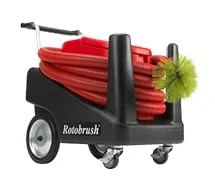
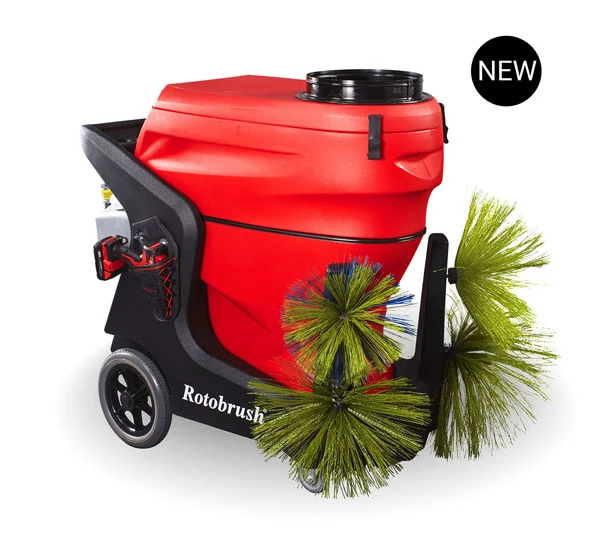
6. Schedule Professional Air Duct Cleaning
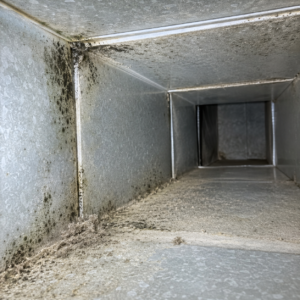
Air ducts can collect dust, debris, and other buildup over time. When HVAC systems run, that buildup can be disturbed and redistributed through the building.
Professional air duct cleaning can help:
- Reduce accumulated dust and debris in the HVAC system
- Support cleaner airflow throughout the space
- Improve overall system cleanliness as part of a broader IAQ plan
For businesses, duct cleaning can also be a smart seasonal maintenance item—especially in facilities with high occupancy, renovation activity, or heavy HVAC usage.
7. Consider Indoor Air Quality Testing
If you’re dealing with persistent odors, allergy complaints, or suspected moisture issues, testing can help pinpoint the cause.
- Identify particulate levels, humidity concerns, or potential microbial issues
- Create a targeted plan instead of guessing
A Fresh Start for the Season
Spring is about renewal—and improving indoor air quality is one of the most valuable upgrades you can make for comfort, health, and peace of mind. From filters and ventilation to humidity control and professional air duct cleaning, small steps can add up to a noticeably cleaner indoor environment.
If you’re a contractor or facility manager, spring is also a great time to talk with customers about IAQ improvements they can feel. Cleaner air isn’t just a “nice to have”—it’s part of what people expect from a well-maintained home or building.
800-535-3878 | [email protected] | www.rotobrush.com