


If you or someone in your home deals with asthma or allergies, you’ve probably noticed symptoms can flare up at the worst times- sneezing fits at night, coughing that won’t quit, itchy eyes that never seem to calm down, or tightness in the chest that makes it harder to breathe comfortably.
While outdoor pollen and seasonal changes get a lot of attention, indoor air quality (IAQ) is just as important, sometimes even more so, because we spend so much of our time inside. And unlike outdoor air, indoor air can trap and recirculate irritants over and over again.
How Poor Indoor Air Quality Can Worsen Asthma and Allergy Symptoms
Asthma and allergies are often triggered by particles and irritants in the air. When indoor air quality is poor, these triggers can build up and circulate through your home, especially when your HVAC system is running regularly.
Here are some of the most common indoor air offenders:
1) Dust and dust mites
Dust is more than “dirt.” It can include tiny particles like fabric fibers, skin cells, and debris that can irritate airways. Dust mites (microscopic organisms that live in dust) are a major allergy trigger for many people.
2) Pet dander
Even if you love your pets, their dander (tiny flakes of skin) can linger in carpets, furniture, and air pathways- contributing to sneezing, congestion, and watery eyes.
3) Pollen that makes its way indoors
Pollen doesn’t stay outside. It can come in through doors and windows, hitch a ride on clothing, and settle into your home- then get stirred up again by airflow.
4) Mold spores and excess humidity
Moisture issues (even small ones) can lead to mold growth. Mold spores can irritate lungs and trigger asthma symptoms- especially in sensitive individuals.
5) Smoke, fumes, and household chemicals (VOCs)
Cooking smoke, candles, fireplaces, and certain cleaning products can release irritants and VOCs (volatile organic compounds) that may aggravate asthma and cause headaches or throat irritation.
6) Dirty HVAC components and restricted airflow
When filters are clogged or HVAC components are dirty, your system may circulate more particles- or struggle to remove them effectively. Poor airflow can also contribute to uneven temperatures and humidity issues, which can make symptoms feel worse.
The HVAC Connection: Why Airflow and Filtration Matter
Your HVAC system acts like your home’s “lungs.” It pulls air in, conditions it, and redistributes it throughout the house. That means:
- If your filtration is poor, more irritants can stay in circulation
- If dust and debris accumulate in the system over time, particles can be reintroduced into the living space
- If humidity isn’t controlled, mold and dust mite conditions can worsen
The goal isn’t perfection- it’s reducing the overall trigger load so your home is easier to breathe in day after day.
Indoor Air Quality Checklist (Asthma & Allergy-Friendly Home)
Use this checklist as a practical starting point. Even small improvements can add up to a noticeable difference.
1) Replace your furnace/HVAC filters regularly
A clean filter helps capture airborne particles before they recirculate. Check it monthly during heavy-use seasons and replace as needed.
Pro tip: Use the highest-efficiency filter your system can handle without restricting airflow (your HVAC pro can advise).
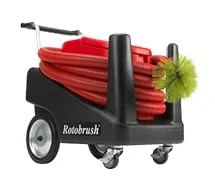
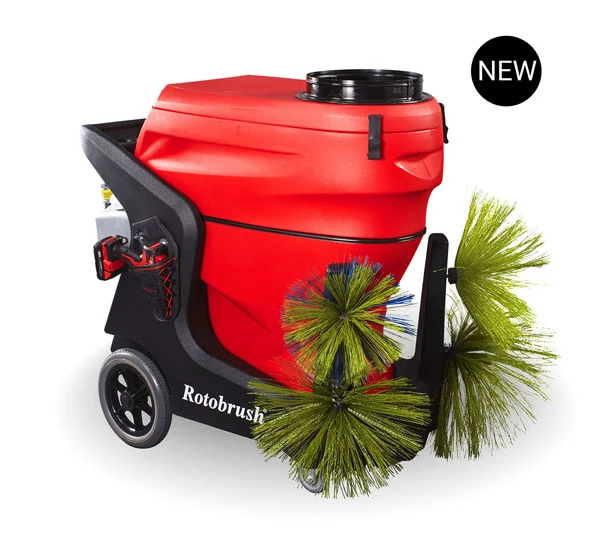
2) Schedule professional air duct cleaning (when appropriate)
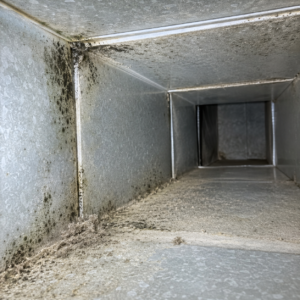
Over time, dust and debris can accumulate in ductwork- especially in homes with pets, recent renovations, older HVAC systems, or inconsistent filter changes.
A professional duct cleaning can help reduce buildup and support cleaner airflow through the home.
3) Keep humidity in the “healthy range”
Aim for about 30–50% indoor humidity. Too high can encourage mold and dust mites; too low can irritate airways and dry out sinuses.
4) Vacuum with a HEPA-filter vacuum
Standard vacuums can kick particles back into the air. HEPA filtration helps trap fine allergens instead of redistributing them.
5) Wash bedding weekly in hot water
Bedding can hold dust mites and allergens. Washing weekly can reduce exposure- especially helpful for nighttime symptoms.
6) Use a quality air purifier in key rooms
Consider HEPA air purifiers in bedrooms and main living areas- especially if someone has frequent symptoms or you have pets.
7) Improve ventilation when cooking and cleaning
Use exhaust fans, open windows when outdoor air quality is good, and avoid heavily fragranced cleaners if they trigger symptoms.
8) Address leaks and water damage quickly
Even small leaks under sinks, around windows, or near HVAC components can create moisture conditions that support mold growth.
9) Keep return vents and supply registers clean and unobstructed
Make sure vents aren’t blocked by furniture or rugs, and dust registers periodically to reduce buildup at the source.
10) Consider an HVAC inspection if symptoms persist
If you’re doing “all the right things” and still struggling, an HVAC professional can check airflow, filtration fit, and system performance.
Breathe Easier This May- and All Year Long
National Asthma and Allergy Awareness Month is a reminder that comfort at home isn’t just about temperature, it’s about the air you breathe every day. By reducing airborne irritants, improving filtration, and keeping your HVAC system clean and efficient, you can create an indoor environment that’s more supportive for asthma and allergy sufferers.