


Summer brings longer days, backyard cookouts, pool towels by the door, and the sweet sound of the air conditioner kicking on. But as temperatures rise, most of us end up spending more time indoors trying to beat the heat. While that cool indoor escape feels refreshing, it also means we may be breathing more of the air inside our homes, offices, and businesses.
And here’s the part that deserves more attention: indoor air is not always as clean as we think.
According to the U.S. Environmental Protection Agency, Americans spend about 90% of their time indoors, and some indoor pollutant levels can be two to five times higher than outdoor levels. That means the air inside our homes and buildings can play a much bigger role in our overall health, comfort, and wellness than many people realize.
What Is Indoor Air Quality?
Indoor air quality, often called IAQ, refers to the condition of the air inside a building. It includes what is floating around in the air, how well the space is ventilated, humidity levels, temperature, and how effectively the HVAC system circulates and filters the air.
In the summer, indoor air quality becomes especially important because windows and doors often stay closed while the air conditioning runs. While that helps keep the heat outside, it can also allow dust, allergens, pet dander, mold spores, cleaning product fumes, and other airborne particles to build up indoors.
Think of it like this: your home may be cool and comfortable, but if the same air keeps recirculating through a dusty or neglected system, your indoor environment may not feel as fresh as it should.
Common Indoor Air Pollutants Hiding in Plain Sight
Indoor air pollution does not always come from dramatic sources. In many cases, it comes from everyday life.
Cooking, cleaning, pets, candles, personal care products, building materials, outdoor pollution that sneaks inside, and moisture issues can all affect the air we breathe. The EPA notes that indoor air pollution sources can include household cleaners, building materials, tobacco products, combustion appliances, biological pollutants, dust mites, and pet dander.
During the summer months, humidity can also become a major player. When moisture levels climb, it can create an environment where mold and mildew are more likely to grow. The CDC states that mold exposure can lead to symptoms such as stuffy nose, coughing, wheezing, itchy eyes, and skin irritation, especially for people with allergies, asthma, or weakened immune systems.
In other words, indoor air quality is not just about whether a room smells clean. It is about what may be circulating through the air without being seen.
Why Indoor Air Quality Matters for Your Health
Clean indoor air supports the way we breathe, sleep, work, and feel. Poor indoor air quality, on the other hand, can contribute to discomfort and irritation, especially for people who are more sensitive to airborne pollutants.
The EPA explains that children, older adults, and people with asthma, heart disease, or respiratory conditions can be more vulnerable to the effects of indoor air pollution. The World Health Organization also recognizes indoor and outdoor air pollution as important contributors to respiratory and other diseases.
That does not mean every dusty vent or dirty filter is an emergency. But it does mean indoor air deserves a regular spot on the home maintenance checklist, right alongside changing HVAC filters, checking smoke detectors, and cleaning out the dryer vent.
After all, we care about the water we drink and the food we eat. The air we breathe all day long should get some attention too.
Summer Can Make IAQ Challenges More Noticeable
Summer has its own way of stirring things up indoors.
Air conditioning systems run more often, which means air is constantly being pulled through return vents, filters, ductwork, coils, and supply vents. If the HVAC system is dirty, clogged, or poorly maintained, it may have a harder time helping the home stay comfortable and fresh.
At the same time, summer activities can add more particles to the indoor environment. Kids run in and out. Pets shed. Pollen gets tracked inside. Humidity rises. Vacation prep, home projects, and extra cleaning can introduce more dust or chemical odors into the air.
Suddenly, the home becomes a busy little ecosystem of sunscreen, snacks, pet hair, pollen, and air conditioning. Fun? Absolutely. Fresh? Maybe not.
The HVAC System’s Role in Indoor Air Quality
The HVAC system is one of the most important parts of the indoor air quality conversation because it helps move air throughout the entire home or building. When properly maintained, the system can support better airflow, filtration, comfort, and efficiency.
The EPA recommends a combination of source control, ventilation, and filtration to improve indoor air quality. That means reducing pollutants at the source, bringing in clean outdoor air when appropriate, and using proper filtration to help capture particles.
This is where professional HVAC maintenance, inspections, filter changes, and duct cleaning services can be valuable parts of a bigger IAQ strategy.
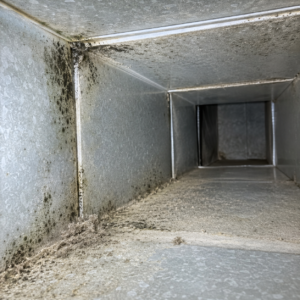
Air duct cleaning should not be positioned as a cure-all or a guaranteed health solution. However, when dust, debris, visible contamination, pest activity, or moisture-related concerns are present, a professional inspection and cleaning can help address buildup within the system and support a cleaner indoor environment.
For contractors, this creates an opportunity to educate customers, not scare them. IAQ is about awareness, prevention, and helping homeowners make smart decisions about the systems they rely on every day.
A Cleaner System Starts with the Right Tools
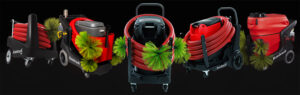
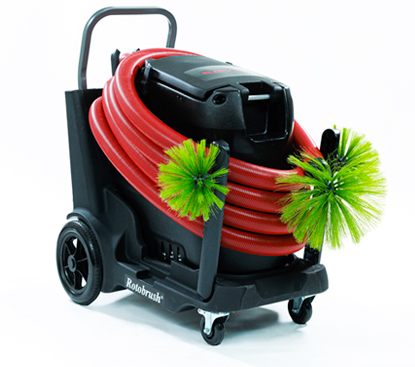
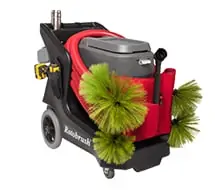
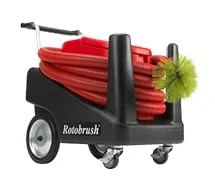
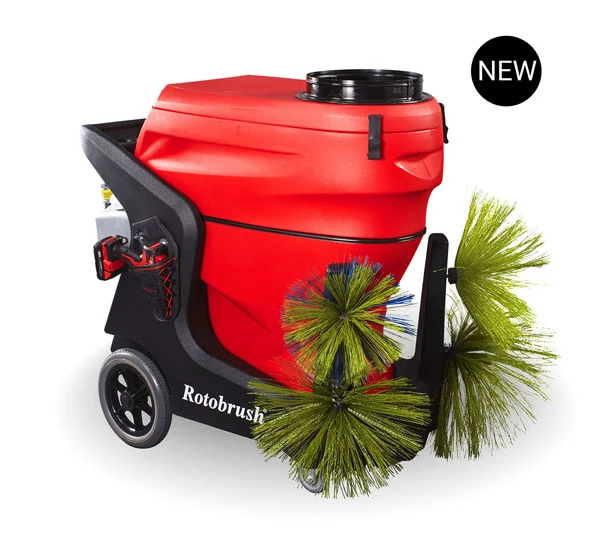
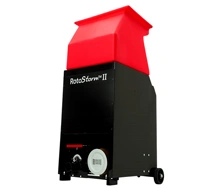
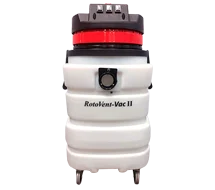
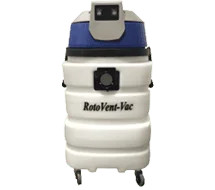
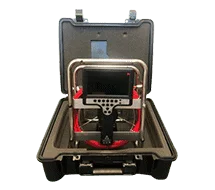
At Rotobrush, indoor air quality is more than a seasonal talking point. It is part of why we design powerful, easy-to-use duct cleaning equipment for contractors who want to provide professional cleaning services with confidence.
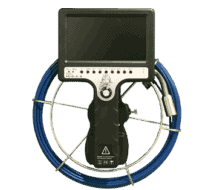
Whether customers are dealing with dust buildup, post-renovation debris, pet dander, or general HVAC system concerns, contractors need reliable equipment that helps them inspect, clean, and provide visible results. Rotobrush equipment is built to help professionals remove debris from ductwork while offering customers a clearer understanding of what may be inside their system.
And in the summer, when homeowners are spending more time indoors and relying heavily on their air conditioning, the IAQ conversation becomes even more relevant.
Simple Ways to Support Cleaner Indoor Air This Summer
Improving indoor air quality does not have to feel complicated. A few smart habits can go a long way.
Homeowners can start by replacing HVAC filters regularly, keeping vents and returns clear, controlling indoor humidity, using exhaust fans while cooking or showering, vacuuming frequently, and scheduling routine HVAC maintenance. It is also important to address water leaks or moisture problems quickly, since moisture can encourage mold growth.
For homes with visible dust buildup, musty odors, airflow issues, recent renovation debris, or signs of contamination inside the HVAC system, a professional duct inspection may be a smart next step.
The goal is not perfection. It is progress. Cleaner indoor air starts with paying attention to the spaces where we live, work, rest, and gather.
Breathe Easy This Summer
Summer should feel light, bright, and refreshing. While we may head indoors to escape the heat, we should not forget about the quality of the air waiting for us inside.
Indoor air quality affects comfort, health, and peace of mind. By understanding common indoor pollutants, maintaining HVAC systems, improving filtration, and addressing buildup when needed, homeowners and businesses can create cleaner, healthier indoor spaces all season long.
So go ahead and enjoy the sunshine, the pool days, and the perfectly chilled living room. Just remember: the air inside deserves a little summer love too.
With Rotobrush, contractors can help customers take a closer look at their indoor air environment and provide professional duct cleaning solutions that support cleaner, more comfortable spaces.